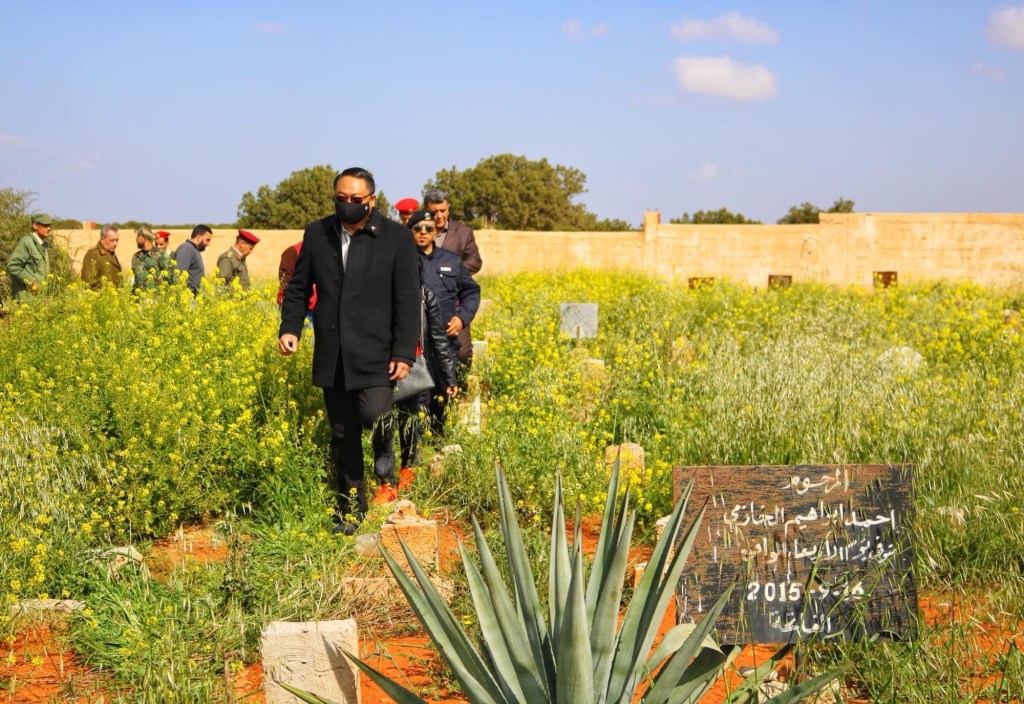
Shortly before leaving Manila for Tripoli in 2019, we met with the family members of four Filipino oil workers who have been missing and presumed dead since they were abducted by Islamic State extremists in southern Libya on 6 March 2015. We met them at the conference room of the Office of the Undersecretary for Migrant Workers Affairs (OUMWA) at the Department of Foreign Affairs (DFA).
During that meeting, we were careful not to refer to our four kababayan in the past tense since we were somehow hoping they were still alive. It was the family members who told us their loved ones were dead. They have been told the four Filipinos, along with two European coworkers, were executed by their ISIS captors a few months after they were taken and their bodies buried somewhere in the eastern city of Derna.
“Please find them and bring them home,” they asked us during the meeting that took place almost four years after the four were taken from the Ghanni Oil Field. We knew their families badly needed closure. And so we promised we would find their missing loved ones. We promised to bring the four home.
We arrived in Libya a few days later with the recovery and repatriation of our four kababayan on top of our priority list. It was something we thought would be easy to carry out. It was just a matter of going to Derna and asking the help of authorities there. It turned out to be more complicated than that.
Derna was actually still unstable at the time we assumed our post at the Philippine Embassy in Tripoli. The International Committee of the Red Cross (ICRC), which we were told was leading the recovery effort, had not been able to go to Derna because of security concerns. Apparently, Islamic extremists aligned with either Al Qaeda or ISIS were still present in the city and we were told it would be too dangerous to proceed there by ourselves because we might end up being taken hostage.
To further complicate matters, we were told by the ICRC that it was no longer sure where the bodies of the six were. The Embassy had been relying on the ICRC for information on the four Filipinos who were initially said to have been buried along with the two Europeans in a cemetery in the outskirts if the city. Now, we were being told that the bodies had been unearthed and then transferred to an unknown location. We were back to square one.
And to make matters worse, the third Libyan civil war broke out five days after our arrival in Tripoli. The Benghazi-based warlord Khalifa Haftar had launched an offensive against the United Nations-backed Government of National Accord (GNA) by sending his Libyan National Army (LNA) to seize the capital. What followed was 16 months of fighting that kept us in Tripoli most of the time.
Even if we wanted to, there was no way we could travel to Benghazi and expect to return without inviting the attention of rival militias in Tripoli. But we remember the promise we made to the four families who we also kept in touch with. We also checked regularly with the ICRC for developments on the case.
It would take more than a year before we found an opening and fly to Benghazi. Before leaving Tripoli, we asked Filipino Community leader Doris Battad to arrange a meeting with officials of the LNA as they were the only ones who could help us get to Derna.
Doris was able to make the arrangements and it was a senior general who came to meet us at the hotel we were staying in. He was accompanied by several other LNA officials. We asked for their help on behalf of the families of the four and told them how much the Philippine government would appreciate the assistance that they could extend. They promised they would help us find the four. And they did.
Around this time in 2021, we made our way to Derna with Embassy colleagues Francis Enaje and Lacson Casim. With us was Franciscan Fr. Sandro Rigillo and several members of the Filipino Community in Benghazi. We travelled with security escorts. Upon reaching Derna, we proceeded to the LNA headquarters where we met the same officials we sat down with in Benghazi a few months earlier. With then were volunteers from the Libyan Red Crescent.
The officials showed us photographs of the decomposing remains that were recovered six years earlier in a mountainous area outside the city. One of the volunteers told us he was among those who found and buried the remains. They said they had no idea who the six were until three years later when authorities came across a video from a laptop recovered from slain ISIS fighters that showed the six oil workers being shot from behind by their captors.
The volunteers said the remains of the six were taken to a cemetery located some 10 kilometers from Derna and buried there. And that’s where we later went.
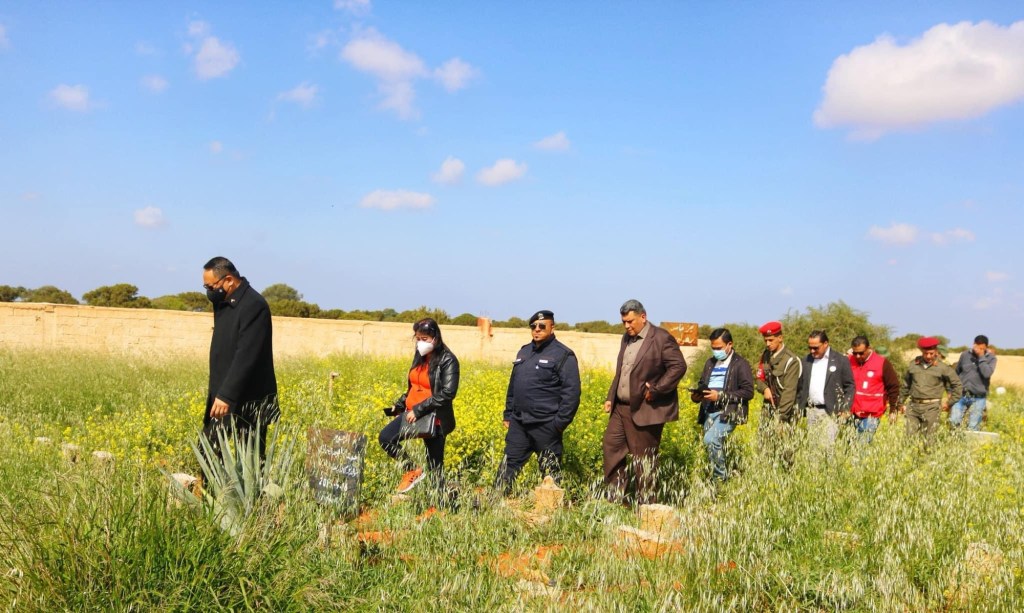
There at the Dahr Ahmar Islamic Cemetery, amidst a field of yellow flowers, we found the final resting place of our four missing kababayan Donato Santiago, Gregorio Titan, Roldan Blaza, and Wilson Eligue. As soon as we did, we informed the families back in the Philippines. We told them we found their loved ones and that they would soon be on their way home.
It was a promise made. It was a promise kept. We will find and bring our people home. Dead or alive, we will find them and bring them home.

And bring them home we did. Two years after we located their gravesites, the remains of Donato, Gregorio, Roldan, and Wilson were positively identified by forensic experts from the Czech Republic and with the help of our colleagues at the Philippine Embassy in Tripoli were flown home and reunited with their families in the Philippines.
Finally, after more than eight years, there is closure.
 DISPATCHES FROM THE FRONTLINE